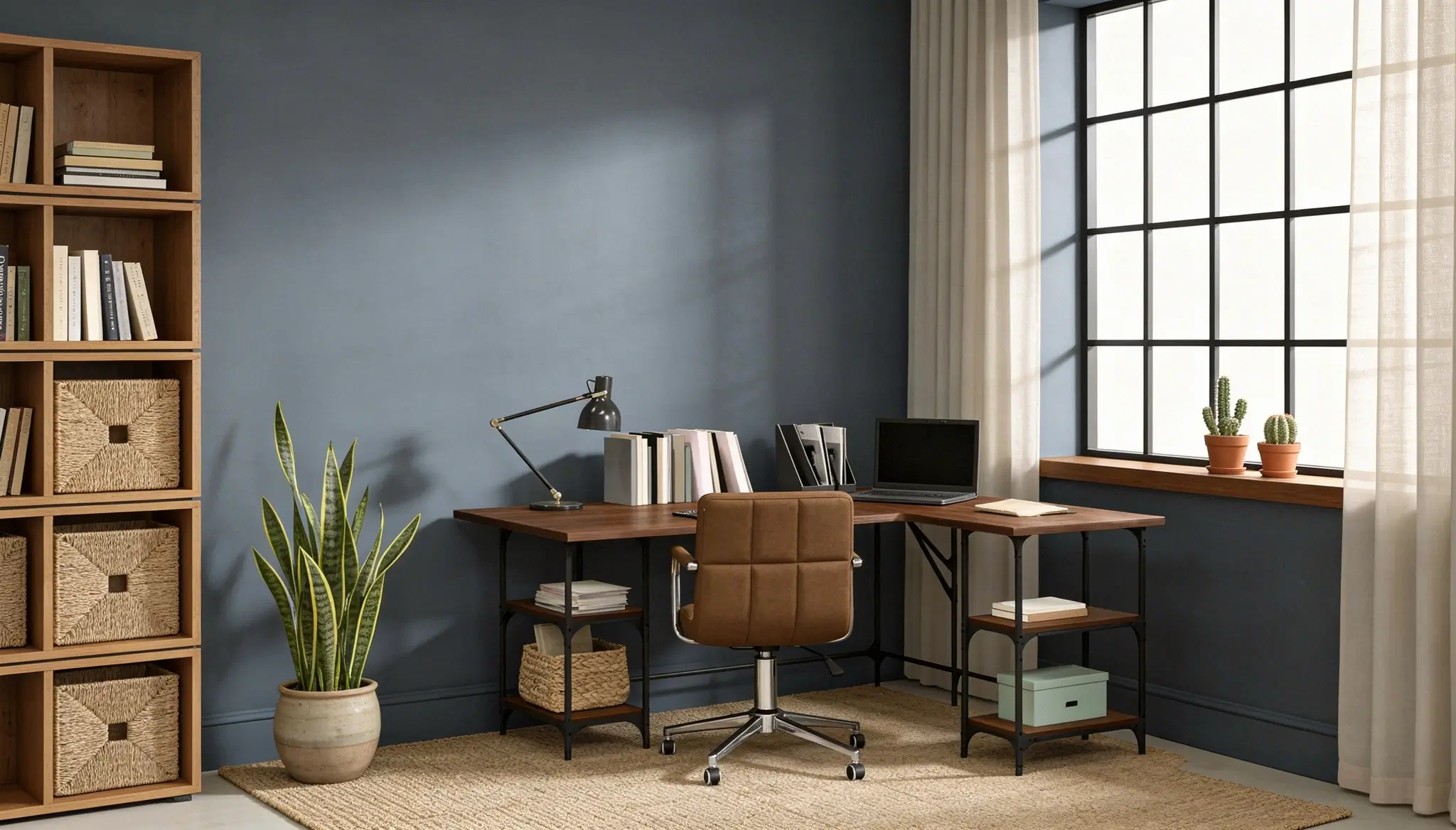
The Home Office Ideas That Think with You: How Interior Design Can Protect Your Focus
In the era of hybrid work and digital overload, the modern home office has become an active participant in shaping mental clarity, focus, and well-being. Experts increasingly describe attention as a scarce resource in our information-saturated world, and research shows that the physical environment plays a crucial role in determining how effectively we can concentrate. So, designing a home office with attention in mind is no longer optional, but it is essential for sustaining productivity and protecting cognitive health.
The modern attention challenge
Emerging research shows that the physical design of a workspace – lighting, colour, noise, and layout – directly affects how the brain allocates attention and manages cognitive load (Nguyen, 2025). In the context of home offices, poor interior choices can turn a workspace into a constant source of distraction. Cluttered desks, poorly lit corners, or multi-purpose rooms force the brain to continuously filter competing stimuli, rapidly depleting attentional resources and leaving workers unfocused, stressed, and more prone to errors.
Cognitive psychology frames this phenomenon as extraneous cognitive load: the mental effort spent processing irrelevant environmental stimuli instead of focusing on the task at hand (2025). Even subtle interior factors such as harsh artificial lighting or visual chaos from overcrowded shelves can trigger constant filtering processes, reducing working memory and limiting the capacity for deep work.
In short, the interior of a home office doesn’t just set the tone visually, but it actively influences cognitive performance. Thoughtful design can either replenish mental energy or accelerate cognitive fatigue, making attention a fragile resource that must be protected by deliberate interior choices.
Rising interest in home office design
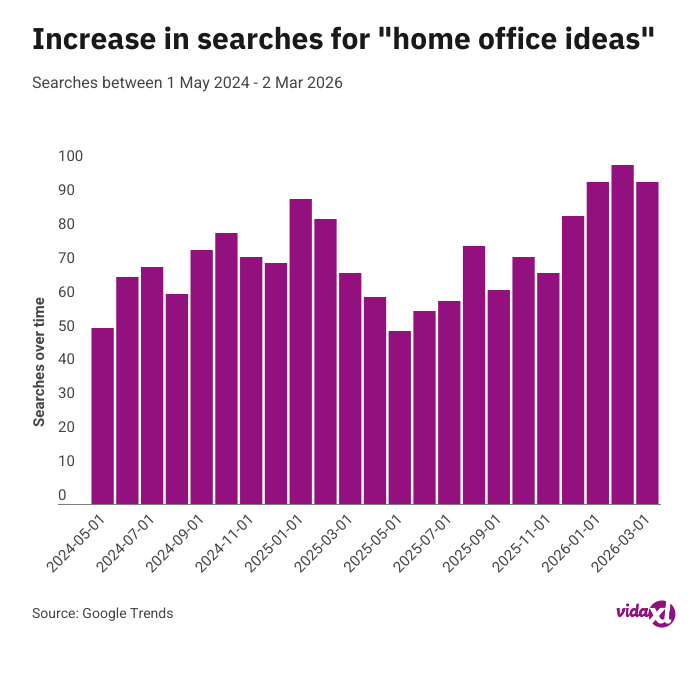
Interest in home office ideas has surged in recent years, reflecting the growing importance of the home workspace. Data from April 2024 to April 2026 shows a steady increase in searches worldwide for “home office ideas,” peaking in early 2026. This spike signals that more people are actively seeking guidance on how to design functional, focused, and aesthetically pleasing workspaces, highlighting that the home office is now a critical part of daily productivity.
Research shows that, beyond aesthetics, there are effective ways to design a home office – through lighting, furniture, colour, and layout – that can meaningfully enhance focus, concentration, and cognitive performance.
| Workspace Element |
High-Distraction Setup (High Cognitive Load) |
Focus-Optimized Setup |
| Storage & Clutter |
Desks piled with papers, stationery, or gadgets. Overcrowded open shelves create visual chaos, forcing the brain to spend energy filtering out irrelevant stimuli. |
Minimalist desks and modular storage solutions with closed drawers, doors, or cabinets. Keeps baseline tools organized and out of sight to free up working memory. |
| Spatial Layout & Zoning |
Working from a multi-purpose environment (like a dining table) with no clear boundaries, which increases the mental friction of switching between work and personal life. |
A dedicated room or clearly partitioned corner. Rugs, shelving units, or room dividers physically zone the space, signaling to the prefrontal cortex that it is time to focus. |
| Lighting & Desk Placement |
Poorly lit corners or static, harsh artificial overhead lights. This setup causes unnecessary glare, accelerates eye fatigue, and can trigger mental sluggishness. |
Desk positioned near a window to maximize natural daylight. Paired with soft, indirect ambient light and tuneable LEDs that can adjust throughout the day to sustain alertness. |
| Color Palette |
Bright, highly saturated wall colors or heavy red environments. These choices elevate arousal to levels that increase stress and disrupt sustained attention. |
Muted, calming base colors such as soft blues or neutrals that support positive affect and environmental motivation. Vibrant colors are restricted to brief visual highlights. |
| Natural Elements |
Sterile workspaces constructed entirely from synthetic, artificial materials, which can accelerate cognitive fatigue over long working periods. |
Biophilic design integration. Incorporating air-purifying indoor greenery (snake plants, peace lilies) alongside natural wooden desks or accents to reduce stress and restore mental energy. |
Bring nature indoors to restore mental energy
Biophilic design – the integration of natural elements into built environments – has emerged as one of the most effective strategies for enhancing focus and cognitive performance. Exposure to plants and natural materials reduces stress, improves mood, and replenishes attentional capacity (Usip et al., 2026). Neuroscientific studies indicate that biophilic geometry and fractal patterns can even reduce neuroinflammatory activity, suggesting that nature-inspired design directly affects brain function.
Incorporating indoor plants, such as snake plants or peace lilies, not only adds greenery, but they also improve air quality. Natural materials, like wooden desks or stone accents, offer tactile and visual cues that the brain associates with stability and calm, enhancing the restorative effect of the workspace.
Light your workspace to enhance alertness
Lighting has a profound impact on attention and cognitive performance. Exposure to natural daylight regulates circadian rhythms, improves mood, and boosts alertness, while artificial lighting with adjustable brightness and colour temperature can simulate natural light cycles in a room with limited natural light (2026). In immersive virtual reality studies, variations in lighting were shown to affect participants’ ability to maintain focus and task performance.
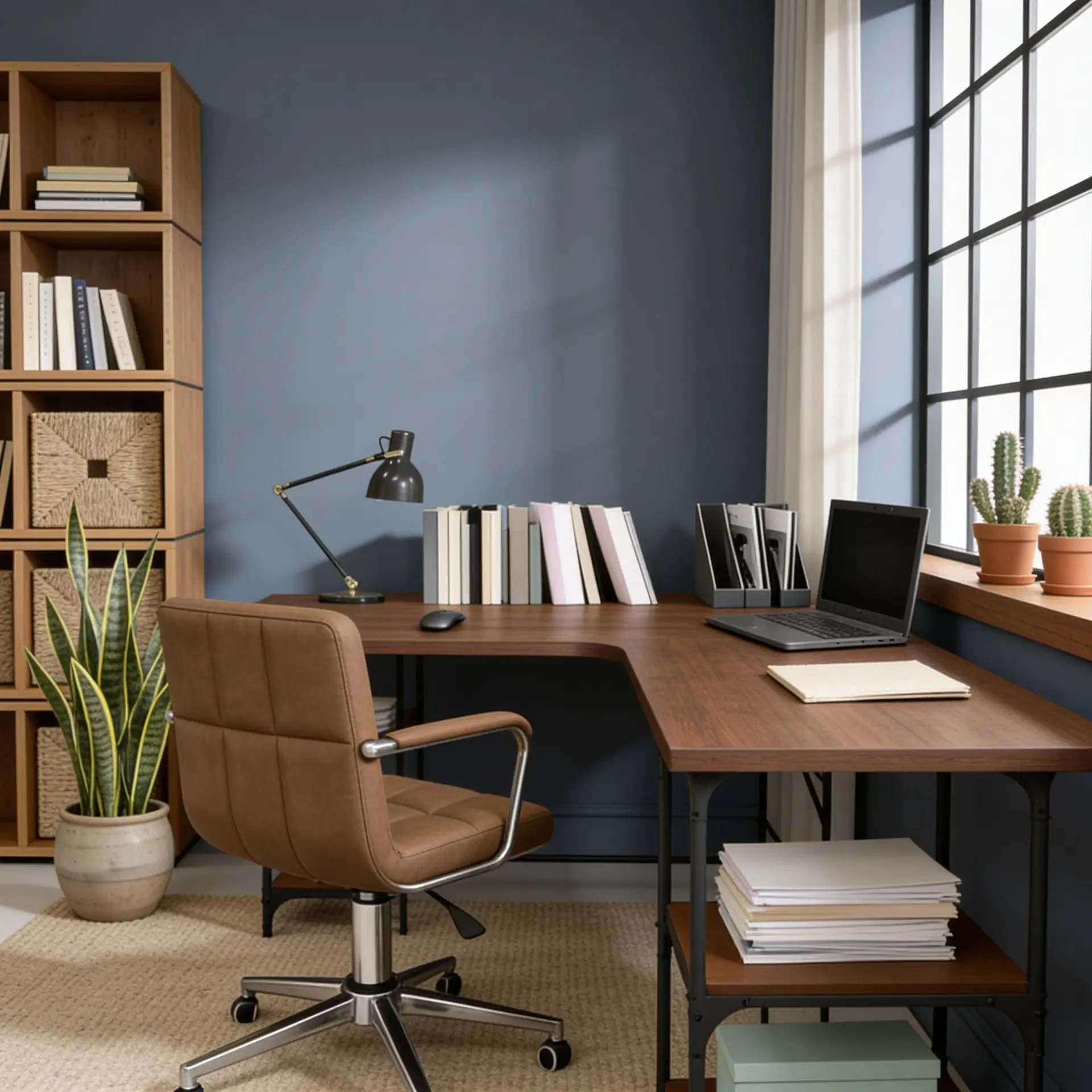
To optimise a home office, position your desk near a window whenever possible. Soft, indirect overhead lighting can reduce glare, while tuneable LED lights allow adjustments throughout the day to maintain alertness and reduce fatigue. Such dynamic lighting helps the brain maintain optimal cognitive performance and prevents the mental sluggishness associated with static artificial lighting.
Choose colours that calm the mind and boost focus
The colour of walls and workspace elements can also influence mood and productivity, as “research on the effects of environmental colour in workspaces has identified hues such as red, blue, green, yellow, and white as critical independent variables influencing occupant psychology and performance” (Li et al., 2026). Experiments using immersive virtual reality found that blue and yellow environments improve positive affect, whereas red can increase stress, and green, in some cases, may reduce productivity. These findings suggest that a carefully curated colour palette can directly influence cognitive performance.
For this reason, it’s worth carefully considering which colour you’re choosing for the walls of your home office. A muted, calming base colour, such as soft blues or neutrals, can help stimulate alertness and motivation. Bright, saturated colours should generally be reserved for brief visual highlights, as they can increase arousal to levels that disrupt sustained attention.
Zone your workspace to signal focus and privacy
The layout of a home office plays a crucial role in telling the brain when it’s time to concentrate. Rather than simply setting up your laptop at the dining table, having a dedicated room or clearly defined corner creates a mental boundary between work and personal life.
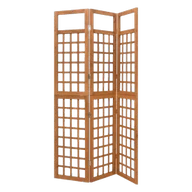
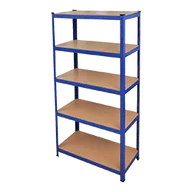
Even small adjustments can make a big difference. Rugs, shelving units, or room dividers can visually separate work zones, signalling to the brain that certain areas are for focused tasks. By reducing the mental cost of switching between activities and minimising environmental distractions, these spatial cues allow the prefrontal cortex – the brain’s command centre for executive function – to operate more efficiently, supporting deeper concentration and better cognitive performance.
Declutter to free the brain from visual overload
A desk piled with papers, stationery, or gadgets forces the brain to constantly filter irrelevant stimuli, much like a computer struggling to process multiple open programs simultaneously. Actually, visual clutter directly competes for neural processing in the prefrontal cortex, reducing focus and increasing stress hormone levels (Nguyen & Tran, 2025).
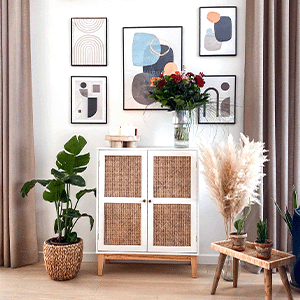
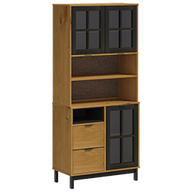
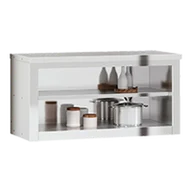
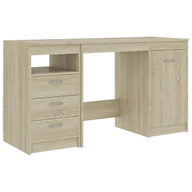
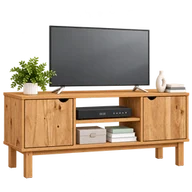
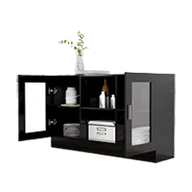
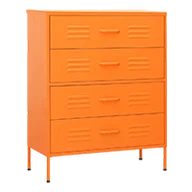
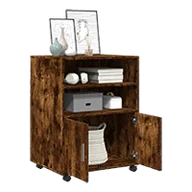
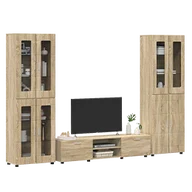
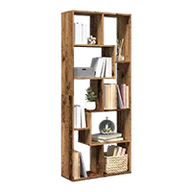
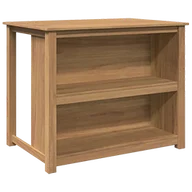
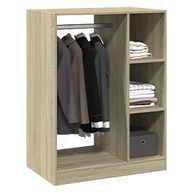
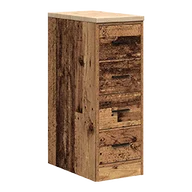
Minimising clutter starts with the right furniture and decorating choices. Opt for minimalist desks and storage units with clean lines, closed drawers, or cabinets to keep supplies out of sight. Shelving with doors or modular storage solutions can prevent papers, gadgets, and personal items from crowding your workspace.
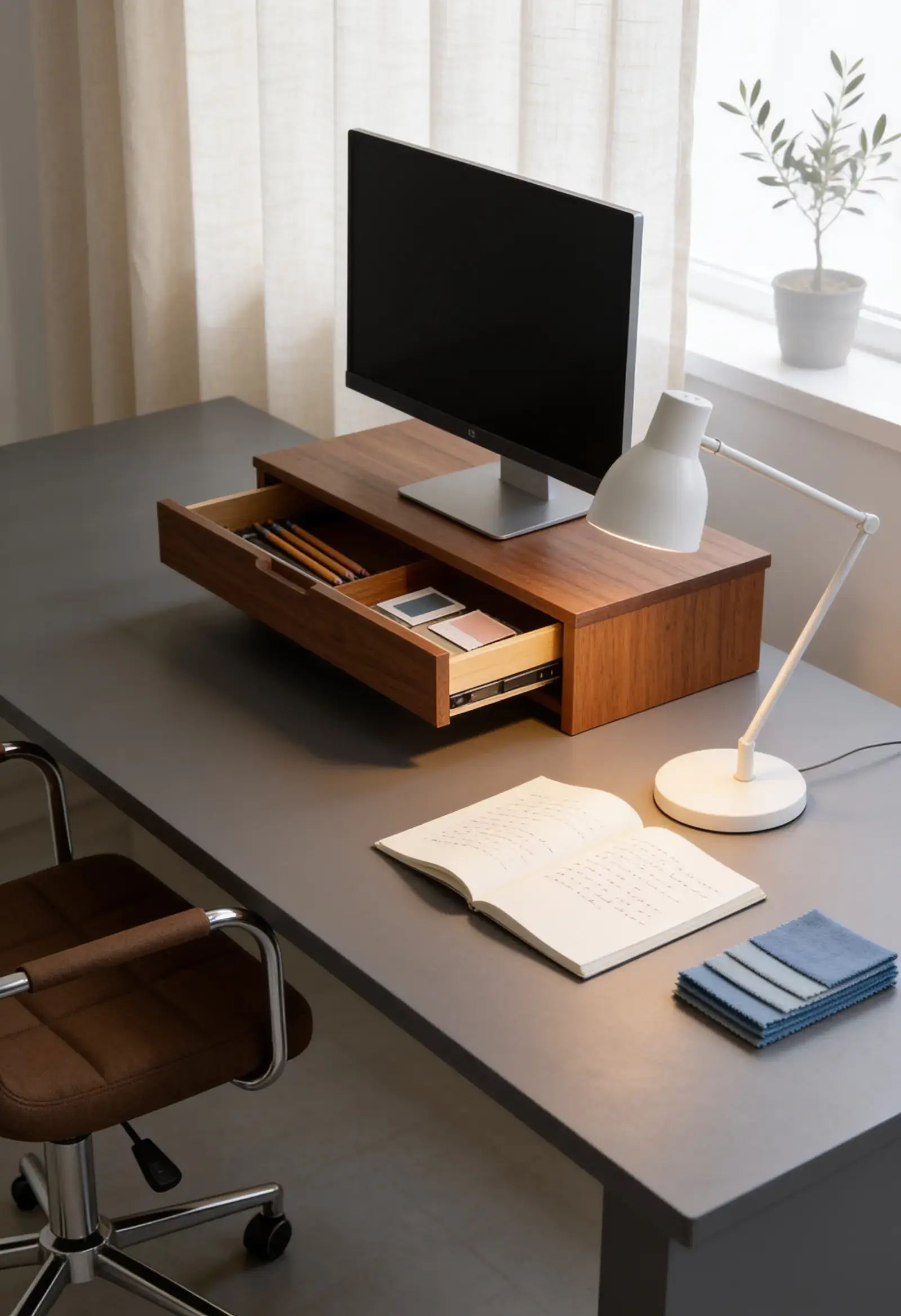
When decorating, less is more: limit accessories and decorative objects to a few meaningful pieces and avoid overloading surfaces with knick-knacks or stacked items. Clear visual fields reduce extraneous cognitive load, letting your brain focus on problem-solving, decision-making, and creative thinking instead of constantly filtering distractions. Thoughtful furniture and decor choices turn the office into a calming, organised environment that supports deep work.
Designing for attention, not just aesthetics
The science is clear: a home office that supports focus is not merely a stylistic choice, but it is an investment in cognitive well-being. Integrating biophilic elements, optimal lighting, carefully chosen colours, spatial zoning, and decluttering transforms the home office from a passive environment into an active cognitive ally.
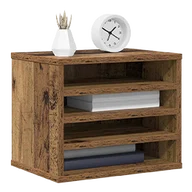
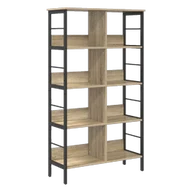
Creating a focus-friendly home office doesn’t require a complete redesign. Often, it starts with simple interior choices that make the space calmer, more organised, and easier to concentrate in. Think clean-lined desks, closed storage to keep visual clutter out of sight, shelving that gives every item a place, and furniture that helps separate work from the rest of the home. Small changes like adding a dedicated desk, choosing soft lighting, using natural materials, or keeping accessories minimal can help turn a home office into a space that supports deep work.
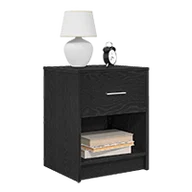
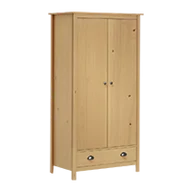
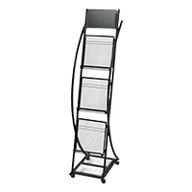
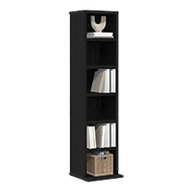
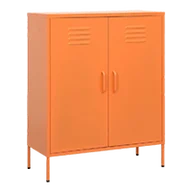
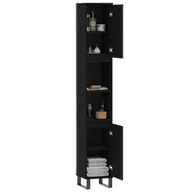
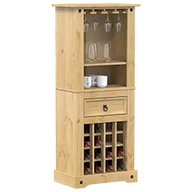
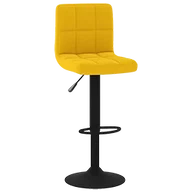
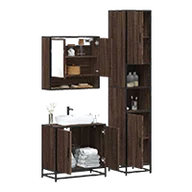
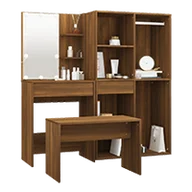
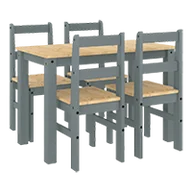
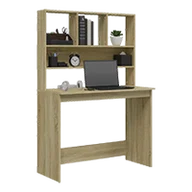
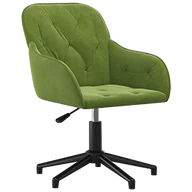
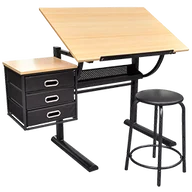
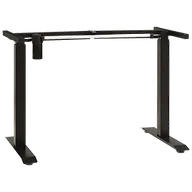
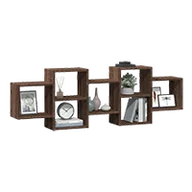
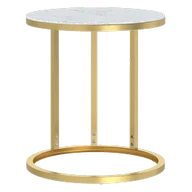
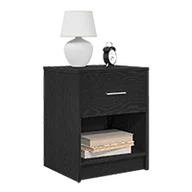
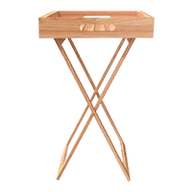
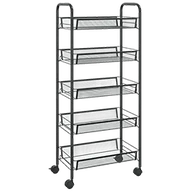
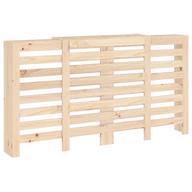
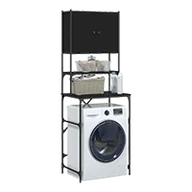
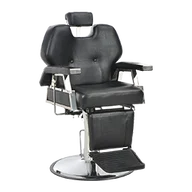
With vidaXL’s assortment of home office furniture, it’s easy to bring these ideas into your own space. Desks, office chairs, bookcases, cabinets, shelving units, and storage solutions can help create a workspace that feels both practical and calm. By choosing furniture that supports organisation, comfort, and visual simplicity, your home office becomes a space designed to protect focus and support better concentration.
Sources:
Bruineberg, Jelle. “Rethinking the cognitive foundations of the attention economy”. Philosophical Psychology, May 2025.
Nguyen, Minh Trang and Nguyen Uyen Mai Tran. “The Impact of Workplace Environment on Concentration and Cognitive Performance: A Cognitive Psychology Perspective”. Social Science and Humanities Research, Vol. 08, Issue 08, August 2025.
Usip, Edidiong, Ekemini Essien, and Ifreke Ema. “A review of biophilic architectural design strategies and their effects on human wellbeing in contemporary built environments”. Discover Environment, 2025.
Li, Ting, Yimeng Zhang, Jean-Marc Pondo, Zihan Li, and Xiaobo Wang. “Effects of workspace wall colors on productivity and emotion via immersive VR and physiological data”, Scientific Reports, No. 16, January 2025.








































































































































.png?sw=192)








.png?sw=192)

.png?sw=192)

















.png?sw=192)

.png?sw=192)

.png?sw=192)


.png?sw=192)












.png?sw=192)
.png?sw=192)
.png?sw=192)