


















.png?sw=192)

.png?sw=192)
.png?sw=192)
.png?sw=192)

.png?sw=192)
.png?sw=192)


.png?sw=192)

.png?sw=192)
.png?sw=192)
.png?sw=192)


Acacia vs. teak wood
Choosing between acacia and teak can feel like picking between two favourites. Both are popular for their beauty and durability, but each has unique qualities that make them better suited to different needs. Let’s break it down so you can decide which one’s right for you.
Is acacia better than teak?
Acacia is a fantastic option for budget-friendly furniture that still looks great and holds up well. While it’s less durable than teak over the long term, it’s sturdy, water-resistant and great for indoor or semi-sheltered outdoor use. For extreme weather, though, teak is the stronger contender.
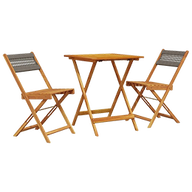
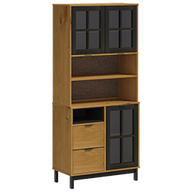
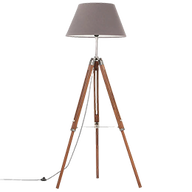
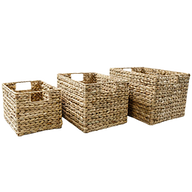
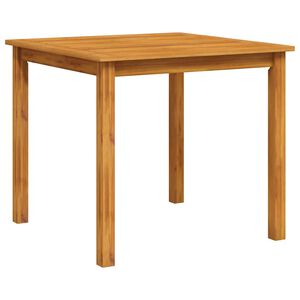
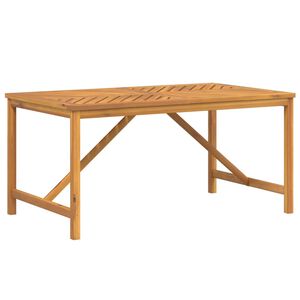
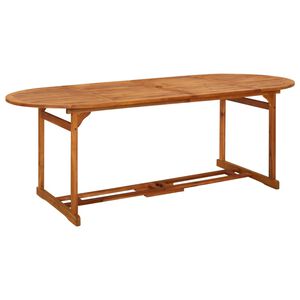
See some of our related Acacia-vs-teak-wood products:
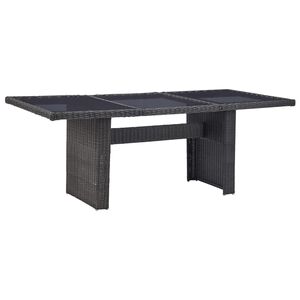

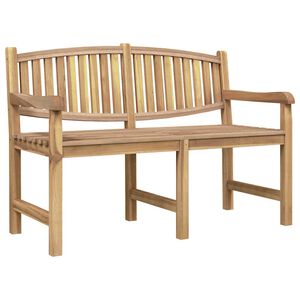
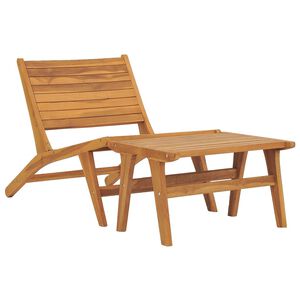

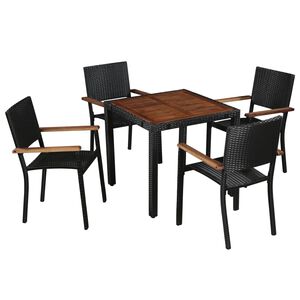
Acacia vs teak wood: a quick comparison
When it comes to choosing between acacia and teak, it’s really about balancing your needs and budget. Both are hardwoods, prized for their natural beauty and durability, but they each bring something different to the table — literally if you’re shopping for furniture.
Teak is often the go-to for outdoor furniture because it’s incredibly weather-resistant. Its natural oils protect it from rot, pests and harsh conditions, making it a long-lasting choice for gardens, patios and even boats.
Acacia, on the other hand, offers a more affordable alternative that doesn’t skimp on style. Its unique grain patterns and warm tones make it a stunning choice for indoor furniture or semi-protected outdoor spaces. While it’s not as weatherproof as teak, it’s still sturdy and water-resistant with the right care.
So, what’s the verdict? If you’re after a long-lasting investment for the great outdoors, teak is worth the splurge. If you want a more affordable, versatile wood with plenty of charm, acacia is an excellent choice. It all depends on your priorities and how you plan to use it.
Is acacia as good as teak?
Acacia comes close but isn’t quite as tough as teak. Teak’s natural oils give it exceptional resistance to rot, pests and harsh weather. Acacia, on the other hand, requires regular maintenance to keep it in top shape, but it’s still a solid and stylish choice for many.
Recap: what makes teak so special?
Teak is often chosen for its longevity. Thanks to its natural oils, it can withstand rain, sun and even pests with minimal care. It’s the go-to for outdoor furniture that lasts decades. However, this durability comes at a cost — it’s one of the pricier hardwoods.
Recap: why choose acacia?
Acacia shines for its affordability and stunning grain patterns. It’s a great choice if you’re looking for a beautiful hardwood without the hefty price tag. While it’s not quite as weatherproof as teak, it works brilliantly indoors or in covered outdoor spaces.
Finding your match
Whether you go for teak’s legendary toughness or acacia’s budget-friendly charm, it all comes down to how and where you’ll use it. Teak thrives in outdoor settings, while acacia adds warmth and beauty to interiors or protected areas. Either way, you’re getting a gorgeous, natural material.