Why choose vidaXL?

24/7 deals
Find the best deals & discounted products every day at vidaXL!

Free shipping over £ 70
Enjoy free shipping on all orders above £ 70.

Get discounts with vidaXL+
Opt in with your account today and watch your vidaXL+ points grow. The more you shop, the bigger the discounts you can unlock!

















.png?sw=192)

.png?sw=192)
.png?sw=192)


.png?sw=192)
.png?sw=192)


.png?sw=192)

.png?sw=192)
.png?sw=192)
.png?sw=192)




Coffee Tables (2,927 Results)
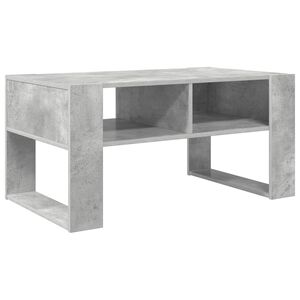
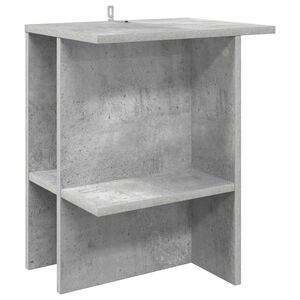
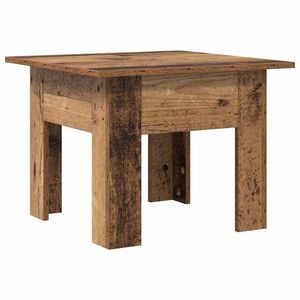
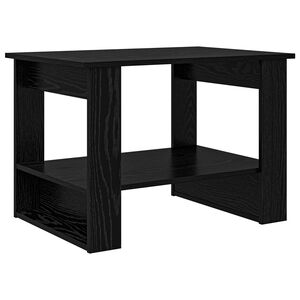
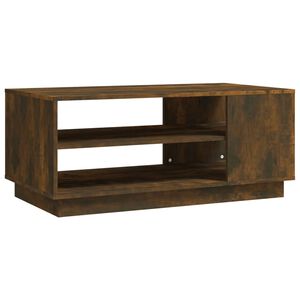
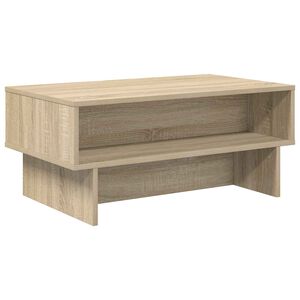
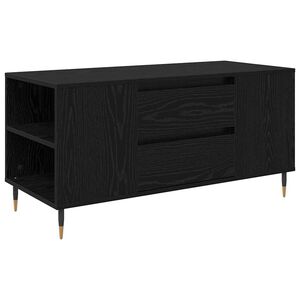
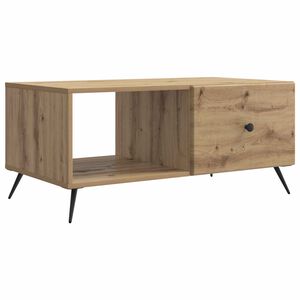

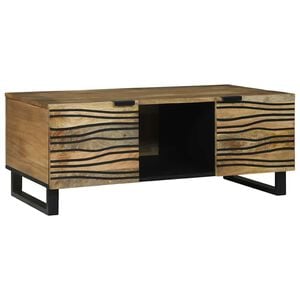
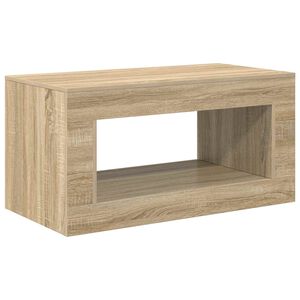
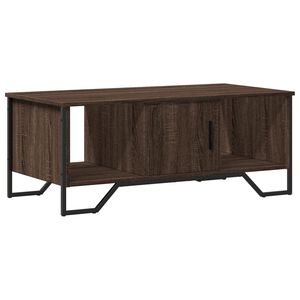
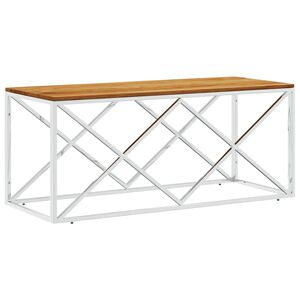
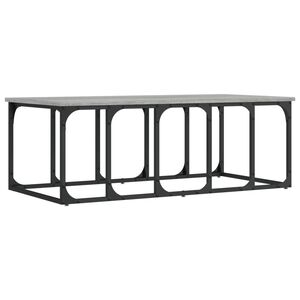
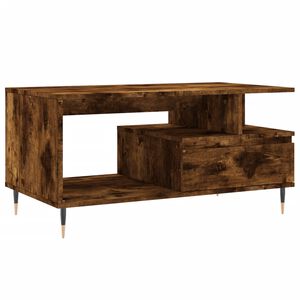
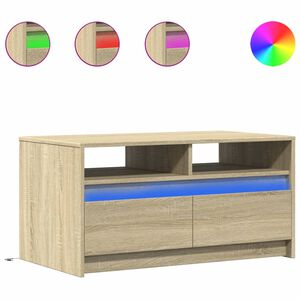

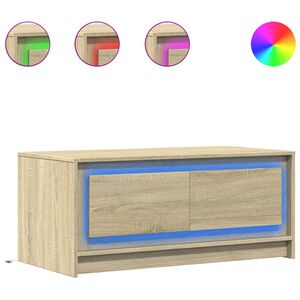
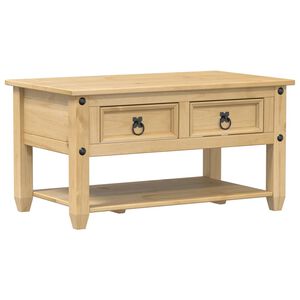
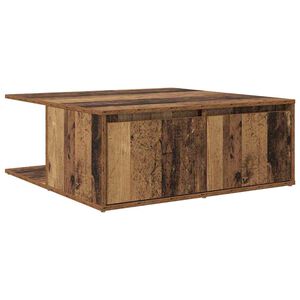
Coffee tables
In most homes, the coffee table quietly earns its place as one of the most frequently used pieces of furniture. It is where morning mugs are set down, where remote controls tend to gather, and where relaxed evenings naturally unfold. Positioned at the centre of the seating area, a well-chosen coffee table helps bring both function and visual balance to the living room.
Beyond simply holding everyday items, the right design supports how you actually live — whether that means hosting friends, stretching out after work, or keeping favourite books within easy reach. With a wide selection of shapes, sizes, and styles available, vidaXL makes it easier to find a coffee table that fits seamlessly into your space and daily routine.
Let a coffee table shape your living space
A coffee table does far more than provide a convenient surface. It quietly organises the entire seating area. Positioned between sofas and armchairs, it acts as a visual anchor that helps the living room feel intentional rather than loosely arranged. Without it, even a beautifully furnished space can feel slightly unfinished.
Functionally, a coffee table supports everyday flow. It keeps essentials within easy reach, creates a natural gathering point, and helps define how people move and interact within the room. When paired thoughtfully with sofas and surrounding living room furniture, it brings both structure and comfort to the space.
There is also an emotional element at play. The coffee table is often where relaxed moments happen — from casual conversations to slow weekend mornings. Its size, shape, and placement influence whether a room feels open and airy or cosy and intimate.
Find coffee tables with different shapes and styles at vidaXL
Coffee tables come in a wide variety of shapes and configurations, each suited to different room layouts and lifestyles. Understanding the main options makes it much easier to choose a design that complements both your seating arrangement and how you use the space.
-
Rectangular tables: Classic and versatile
-
Round and oval tables: Softer flow in smaller rooms
-
Square tables: Balanced, symmetrical layouts
-
Nesting tables: Flexible and space-saving
-
Lift-top and storage tables: Practical everyday function
Rectangular coffee tables remain a popular choice because they work naturally in front of standard sofas and provide generous surface space. Round and oval designs, on the other hand, help soften the room visually and are especially useful where walkways are tight or where you want to reduce sharp corners.
Square tables tend to suit larger seating arrangements or sectional sofas where symmetry is part of the layout. Meanwhile, nesting tables and lift-top designs offer extra flexibility, making them particularly helpful in multifunctional living rooms.
What size coffee table do you need?
Getting the proportions right is one of the most important steps when selecting a coffee table. A well-sized table should feel naturally connected to your sofa rather than competing with it or disappearing into the space. As a general guide, the table should be roughly two-thirds the length of your sofa, which helps maintain visual balance in the seating area.
Height matters just as much as length. Ideally, the coffee table should sit level with — or slightly lower than — the sofa seat height. This keeps everyday use comfortable while ensuring the table doesn’t visually dominate the room. If the table is too high, it can interrupt sightlines; too low, and it may feel impractical for daily living.
It is equally important to allow comfortable walking space around the table. Leaving clear pathways between the table, TV stands, and surrounding living room furniture helps the room feel open and easy to move through. As a rule of thumb, aim for enough space to walk comfortably without squeezing past furniture.
Finally, consider the overall scale of the room. Larger spaces can handle more substantial tables, while compact living rooms benefit from lighter, more streamlined designs. When the proportions feel right, the entire seating area comes together effortlessly.
Materials and finishes that set the tone
The material of a coffee table plays a quiet but powerful role in shaping the mood of your living space. Beyond appearance, it influences how the room feels day to day and how easily the piece integrates with your existing furniture and home décor.
-
Wood remains a timeless favourite thanks to its natural warmth and versatility. Whether light or dark, wood tones bring a grounded, welcoming feel that works across many interior styles.
-
Engineered wood offers a similar visual effect with added practicality, making it a popular choice for busy households that want durability alongside style.
-
Metal coffee tables introduce a more contemporary edge. Their clean lines and subtle sheen suit modern and industrial-inspired interiors, especially when paired with soft furnishings that balance the look.
-
Glass designs, meanwhile, help maintain a light and open feel. Because they allow the eye to move through the space, they are particularly useful in smaller living rooms where visual weight matters.
For something with added character, bamboo and reclaimed wood tables bring texture and individuality. These materials add an organic, lived-in quality that pairs beautifully with layered furniture and relaxed styling. Ultimately, the right finish is the one that supports both your lifestyle and the atmosphere you want to create at home.
Style your new coffee table with intention
A coffee table works hardest when it feels thoughtfully styled but still easy to use. Rather than treating it as a purely decorative surface, aim for a balanced approach that supports everyday living while adding visual interest to the room. Small, intentional choices can make the table feel curated without becoming cluttered.
-
Use trays or books to create structure: Grouping items on a tray or stacked books helps the surface feel organised and visually calm.
-
Add greenery or flowers for life: A small plant or simple vase introduces softness and keeps the living area feeling fresh.
-
Keep everyday items within reach: Remotes, coasters, or reading material should be easy to access without taking over the surface.
-
Layer lighting nearby for ambience: Placing the table near soft lighting helps create a warm, inviting atmosphere in the seating zone.
The key is restraint. Leaving some open space allows the table — and the room — to breathe. When styling balances function with simplicity, the coffee table becomes a natural and welcoming focal point in the living area.
Tips for keeping your coffee table looking its best
With a little regular care, a coffee table can stay looking fresh and inviting for years. Simple habits often make the biggest difference, especially in busy living rooms where surfaces see daily use. Frequent dusting with a soft, dry cloth helps prevent buildup that can dull the finish over time. For deeper cleaning, choose gentle products suited to the table’s material — mild cleaners for most surfaces and a lightly damp cloth for wood, followed by drying to avoid moisture marks.
It also helps to protect the surface from everyday wear. Using coasters for hot drinks and wiping up spills promptly reduces the risk of stains or heat damage. When moving decorative items, lift rather than slide them to minimise scratches.
Finally, be mindful of prolonged direct sunlight. Over time, strong sun exposure can fade certain finishes or create uneven colour changes. Simple adjustments such as repositioning décor or diffusing light with window coverings can help maintain the table’s appearance.
Build a living room that works perfectly together with your coffee table
A coffee table works best when it is considered part of the wider living room composition rather than a standalone piece. Its position between sofas and armchairs helps unify the seating area, creating a natural focal point where everyday moments unfold. When the proportions and placement feel right, the entire space becomes more comfortable and intuitive to use.
Layering the room thoughtfully makes a noticeable difference. Rugs help anchor the seating zone and add warmth underfoot, while well-placed lighting softens the atmosphere and supports different activities throughout the day. Storage furniture and TV stands also play an important supporting role by keeping surfaces clear and maintaining visual calm.
Ultimately, the goal is to design a space that works for real life. Somewhere that feels easy to move through, comfortable to relax in, and visually balanced. When each piece of furniture supports the others, the living room feels cohesive, welcoming, and ready for everyday living.